Perspectives from the operating seat.
Long-form analysis, briefs, and partner letters from across The Frazier Group on capital, infrastructure, applied intelligence, and the operating disciplines shaping the next decade. New writing, every week.
.%20Wide%20aspect%2C%20high%20detail%2C%20magazine-grade.?width=1200&height=675&nologo=true&seed=4840)
The Family-Office Mindset Versus the Fund Mindset
Capital architecture matters as much as capital itself. The structural differences between family-office and fund disciplines shape every decision, from tempo to risk tolerance to the very definition of return.
The archive
.%20Wide%20aspect%2C%20high%20detail%2C%20magazine-grade.?width=1200&height=675&nologo=true&seed=7211)
Applied AI as a Connective Operating Layer Across an Industrial Portfolio
In mature capital environments, the question is no longer whether to deploy artificial intelligence, but how to architect it as a unifying substrate beneath diversified holdings.
.%20Wide%20aspect%2C%20high%20detail%2C%20magazine-grade.?width=1200&height=675&nologo=true&seed=7478)
The Strategic Posture of Permanent Capital in Fragmented Service Categories
In markets defined by dispersion rather than consolidation, patient capital finds its highest expression—not in extraction, but in the quiet accumulation of operational advantage.
.%20Wide%20aspect%2C%20high%20detail%2C%20magazine-grade.?width=1200&height=675&nologo=true&seed=5290)
Real Estate Underwriting in a Higher-For-Longer Regime
The era of costless capital has ended. Underwriting discipline must now account for structural rate persistence, compressed yields, and the quiet erosion of assumptions built in a different world.
.%20Wide%20aspect%2C%20high%20detail%2C%20magazine-grade.?width=1200&height=675&nologo=true&seed=5595)
Trust as the Scarcest Input in Operator-Led Acquisitions
In a landscape saturated with capital and expertise, the true constraint in operator-led transactions is neither financial nor technical—it is relational.
.%20Wide%20aspect%2C%20high%20detail%2C%20magazine-grade.?width=1200&height=675&nologo=true&seed=6671)
Compute, Electrification, and the Repricing of Industrial Real Estate
The convergence of power density, computational demand, and physical infrastructure is quietly rewriting the valuation logic of industrial assets across North America.
.%20Wide%20aspect%2C%20high%20detail%2C%20magazine-grade.?width=1200&height=675&nologo=true&seed=6593)
The Hidden Architecture of Vertical Software in Field Labor Markets
Service businesses that dispatch field labor are building proprietary software that doesn't just coordinate work—it becomes the business itself.
.%20Wide%20aspect%2C%20high%20detail%2C%20magazine-grade.?width=1200&height=675&nologo=true&seed=6643)
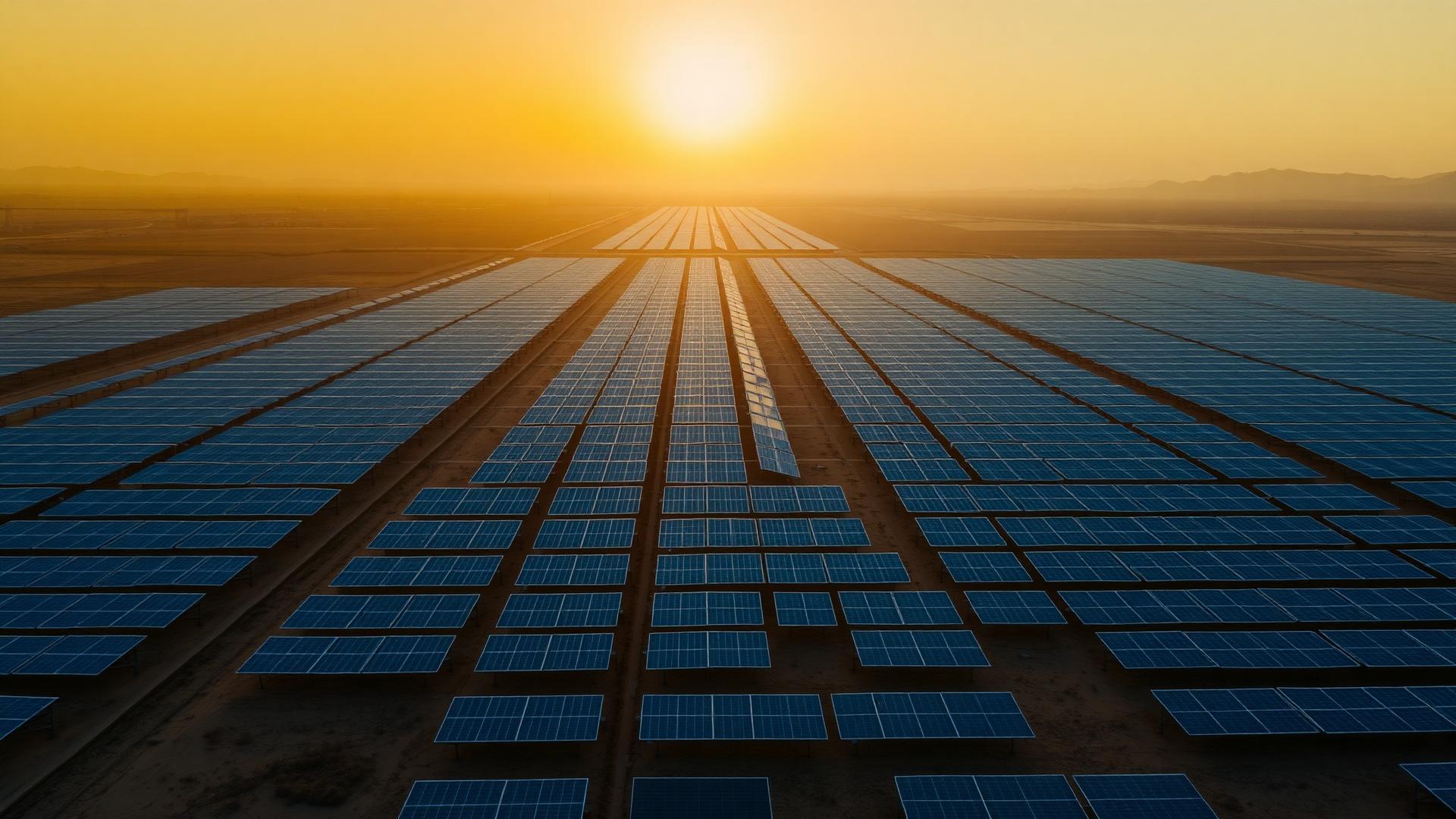
The Second-Order Effects of Solar Baseload on Regional Pricing Power
As distributed solar reaches critical mass in certain grids, the familiar dynamics of pricing power are quietly reshaping—revealing opportunities invisible to those focused only on generation capacity.
.%20Wide%20aspect%2C%20high%20detail%2C%20magazine-grade.?width=1200&height=675&nologo=true&seed=4229)
The Hidden Operating Systems of Field Labor
Vertical software is quietly restructuring the economics of service businesses built on distributed labor, transforming coordination costs into durable competitive moats.
.%20Wide%20aspect%2C%20high%20detail%2C%20magazine-grade.?width=1200&height=675&nologo=true&seed=4792)
The Discipline of Saying No in Capital Allocation
In an environment saturated with opportunity, the most consequential decisions in capital allocation are often the investments never made.
.%20Wide%20aspect%2C%20high%20detail%2C%20magazine-grade.?width=1200&height=675&nologo=true&seed=5257)
Operational Intimacy as a Source of Underwriting Edge
In markets awash with capital and information, the decisive advantage belongs not to those who see further, but to those who see closer.
The Second-Order Effects of Solar Baseload on Regional Pricing Power
As solar capacity approaches baseload relevance in select markets, the traditional dynamics of energy pricing are quietly restructuring—not through displacement, but through temporal arbitrage.
The Discipline of Saying No in Capital Allocation
In an era of abundant liquidity and compressed returns, the ability to decline opportunities may be the most undervalued skill in capital stewardship.
.%20Wide%20aspect%2C%20high%20detail%2C%20magazine-grade.?width=1200&height=675&nologo=true&seed=5735)
Applied AI as Connective Tissue: The Operating Layer Thesis
Intelligence, deployed strategically across industrial holdings, transforms portfolio management from asset aggregation into synchronized operational architecture.
.%20Wide%20aspect%2C%20high%20detail%2C%20magazine-grade.?width=1200&height=675&nologo=true&seed=6124)
Owned Distribution and the Death of Paid-Acquisition Arbitrage
The economics that made growth-at-any-cost viable have collapsed. What remains is the patient work of building proprietary channels.
Compute, Electrification, and the Repricing of Industrial Real Estate
The convergence of artificial intelligence infrastructure and power demand is rewriting the logic of industrial property valuation at a speed the market has yet to fully internalize.
The Strategic Posture of Permanent Capital in Fragmented Service Categories
In markets where consolidation remains elusive and competition atomized, the deployment of permanent capital demands a distinct strategic temperament—one built for patient transformation rather than exit arbitrage.
Owned Distribution and the Death of Paid-Acquisition Arbitrage
The economic model that rewarded scale through external channel spend is collapsing. What remains is the hard work of cultivating proprietary audience relationships.
Trust as the Scarcest Input in Operator-Led Acquisitions
In a market awash with capital and competing strategies, the rarest commodity in acquisitions isn't money—it's the trust required to bridge operating vision and ownership transfer.
Operational Intimacy as a Source of Underwriting Edge
In markets dense with capital and shallow in conviction, the ability to underwrite with precision depends less on access to information than on the depth of operational fluency.
Applied AI as a Connective Operating Layer Across an Industrial Portfolio
Intelligence is no longer confined to isolated systems. It becomes most valuable when threaded through the operational core of multiple asset classes.
Real Estate Underwriting in a Higher-for-Longer Regime
The cost of capital has reset. What worked in the last cycle now exposes structural fragility. Discipline, not optimism, separates durable positions from distressed ones.
The Discipline of Saying No in Capital Allocation
In environments of abundant capital and compressed timelines, the ability to decline opportunity becomes the most valuable skill in the allocator's repertoire.
Compute, Electrification, and the Repricing of Industrial Real Estate
The convergence of AI infrastructure demands and grid capacity is fundamentally revaluing the built environment, creating asymmetries that patient capital can exploit.
Owned Distribution and the Death of Paid-Acquisition Arbitrage
The economics that once rewarded attention rental are collapsing. The future belongs to those who own their audience, not those who lease it.
The Second-Order Effects of Solar Baseload on Regional Pricing Power
As solar penetration reaches critical mass in select markets, the emergent pricing dynamics reveal not disruption but reordering—a quiet restructuring of how value accrues in energy systems.
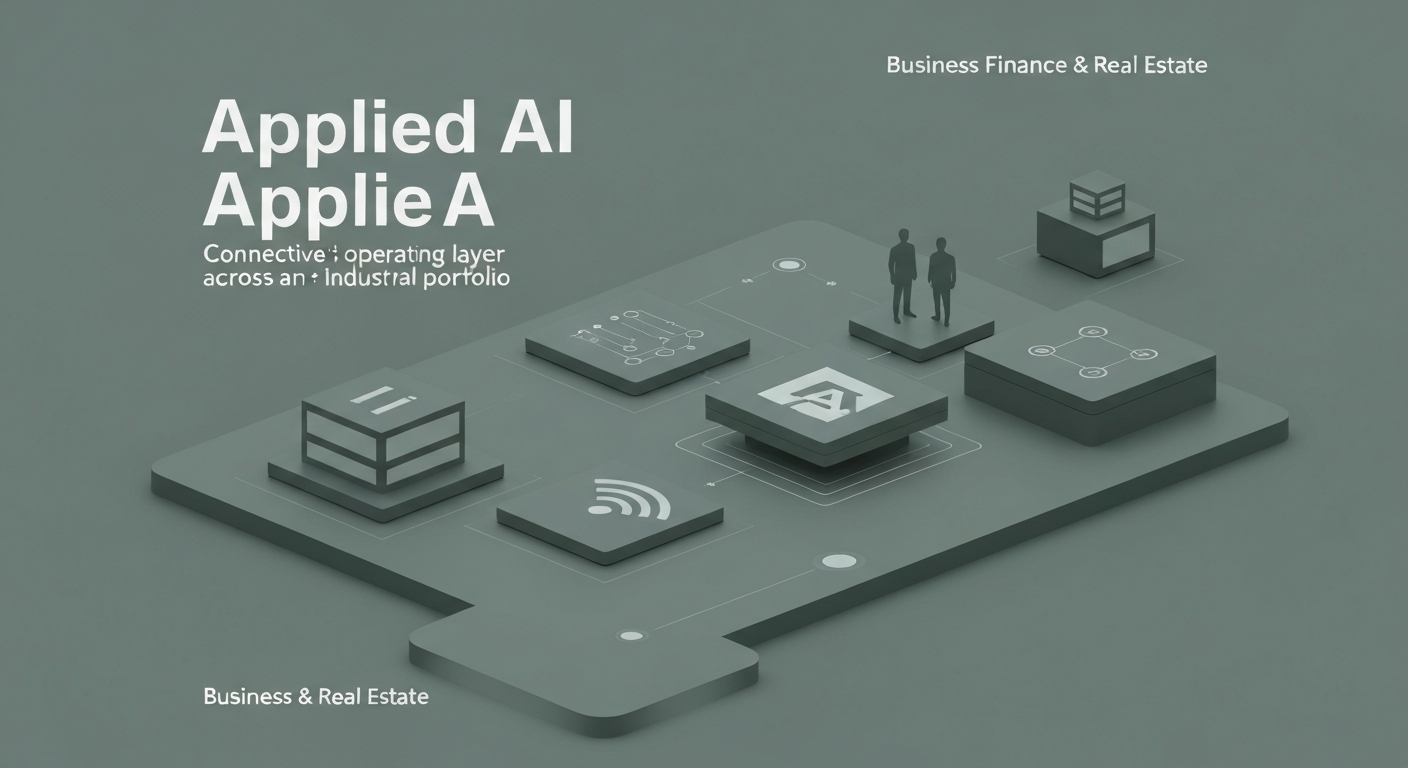
Applied AI as a Connective Operating Layer Across an Industrial Portfolio
In diversified industrial holdings, artificial intelligence becomes most valuable not as a discrete technology but as a unifying substrate—translating data across domains into operational coherence.

Owned Distribution and the Death of Paid-Acquisition Arbitrage
The platforms that once sold attention cheaply now extract rents at scale. A strategic recalibration is underway.

The Craft of Underwriting
Underwriting is the most important craft in any serious investment firm — and the most consistently underestimated. Done properly, it is the discipline that determines every other outcome.

The Quiet Power of Distribution
In an environment of abundant product and scarce attention, distribution is no longer a marketing function. It is the central strategic asset of the modern operating company.
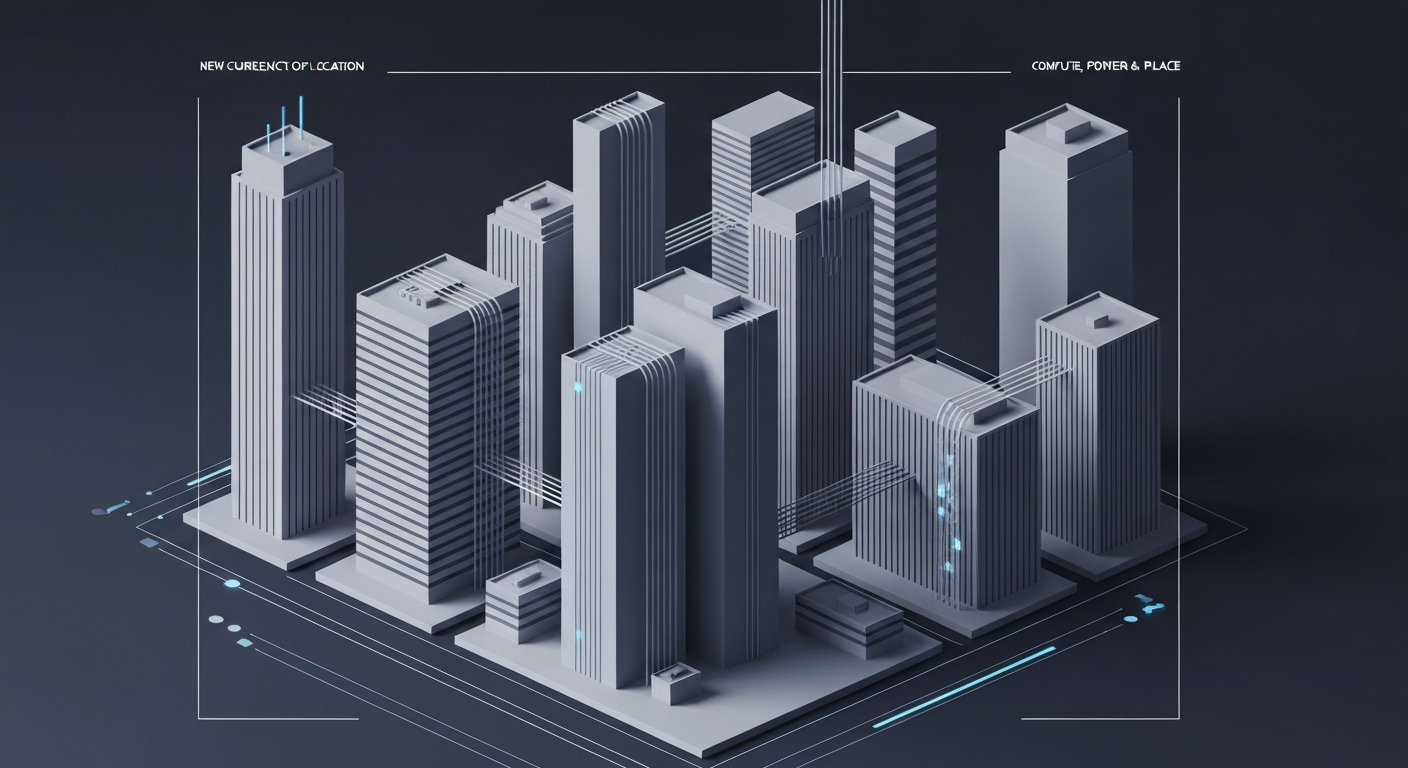
The New Currency of Location: Compute, Power, and Place
The convergence of scaled computation and grid electrification is quietly redrawing the map of industrial assets, creating a new calculus for value based not on proximity to ports, but to power.
The Long Arc of Real Assets
Every cycle convinces a new generation that real assets are out of fashion. Every cycle also rewards the operators who quietly continued accumulating them anyway.

The Architecture of Conviction
Conviction is not a feeling. It is an architecture — built deliberately, defended quietly, and tested against every cycle the market produces.
The Scarcity of Trust
In a market saturated with capital, the true bottleneck to successful acquisitions is not financial, but human. It is the careful cultivation of trust between seller, operator, and investor that unlocks enduring value and separates successful transitions from mere transactions.

The Quiet Compounders: Why Boring Service Businesses Will Outperform This Decade
The most durable returns of the next ten years will not come from headline categories. They will come from the unglamorous, indispensable service businesses that nobody writes about.

Solar as the New Sovereign Asset Class
Energy is no longer a commodity sector. It is the most consequential real-asset class of our lifetime, and utility-scale solar paired with storage now sits at the center of it.

The Operating Layer: Why AI Belongs Beneath the Application, Not Above It
Most organizations are deploying AI as a feature. The compounding advantage belongs to the operators who deploy it as connective tissue, beneath the workflow rather than bolted on top of it.

Charging Networks as Real Assets, Not Retail
The most underappreciated mistake in mobility infrastructure is treating charging like a retail business. It is not. It is a long-cycle real-asset business with very different economics — and the operators who recognize that early will own the category.
Owned Distribution: The Return of SEO as Permanent Infrastructure
Paid attention is rented. Owned distribution — search authority, brand, and content — is one of the few competitive advantages that still compounds in an environment of rising acquisition costs.
Real Estate in a Higher-for-Longer Regime
The cost of capital has reset. Most of the real estate world has not. The opportunity belongs to operators willing to underwrite to the new reality without flinching.

Vertical Software and the Industrial Renaissance
The most interesting software businesses of the next decade will not look like horizontal SaaS. They will look like operating systems for industries that have never had one — and the operators building them now will own categories for a generation.
The Family Office Mindset Applied to Operating Companies
Most operating businesses are run on quarterly logic. The ones that compound for decades are run with the patience and discipline of a family office. The mindset is the moat.

Sovereign Compute: Why the Next Decade Belongs to Owners of Intelligence Infrastructure
Compute is quietly becoming the most strategically scarce resource of the modern economy. The operators who own it — at the rack, the substation, and the model layer — will define the next cycle.
Permanent Capital and the Discipline of Forever
The structural advantage of holding without an exit clock is not a marketing posture. It is the single most underappreciated edge in modern business-building — and it changes nearly every decision a serious operator makes.